

Maintaining Your 2026 Blazer for Peak Performance
View Blazer Inventory Schedule Service See Trade-In Value
The 2026 Blazer requires a full synthetic oil change every 7,500 miles under normal driving conditions. Drivers facing severe winter temperatures or hauling heavy trailers may require earlier maintenance intervals. Protect your crossover by booking your next appointment through our certified Chevrolet service center today.
When scheduling an oil change, Austin, MN, drivers must ensure their technicians understand the specific demands of these two distinct engines. The 2026 Blazer offers either a highly efficient 2.0L Turbocharged 4-cylinder or a muscular 3.6L V6. Neglecting routine services forces both of these precise powertrains to work harder, degrading acceleration and reducing your daily fuel efficiency. For a broader look at how these engines impact towing capabilities and trim levels, read our complete 2026 Chevrolet Blazer capability overview.
Chevrolet Blazer Service Intervals
To keep your mid-size SUV performing flawlessly, you must adhere strictly to the manufacturer schedule. We recommend verifying your specific engine and drivetrain requirements by logging into the official Chevrolet Owner Center for personalized maintenance alerts.
| Mileage Interval | Required Maintenance Action | Purpose and Real-World Benefit |
|---|---|---|
| 7,500 Miles | Full Synthetic Oil Change and Tire Rotation | Replaces degrading oil to prevent internal friction. Rotating tires ensures even tread wear for optimal winter grip. |
| 22,500 Miles | Cabin Air Filter Replacement | Removes dust and pollen from the HVAC system, ensuring maximum heating output during freezing Minnesota mornings. |
| 45,000 Miles | Engine Air Filter and Spark Plugs | Essential for the 2.0L Turbo engine. Fresh spark plugs maintain the precise combustion needed for highway passing power. |
| 45,000 Miles | AWD System and Transmission Fluid Change | Keeps the Advanced Twin-Clutch AWD and 9-speed transmission shifting smoothly, preventing gear hesitation. |
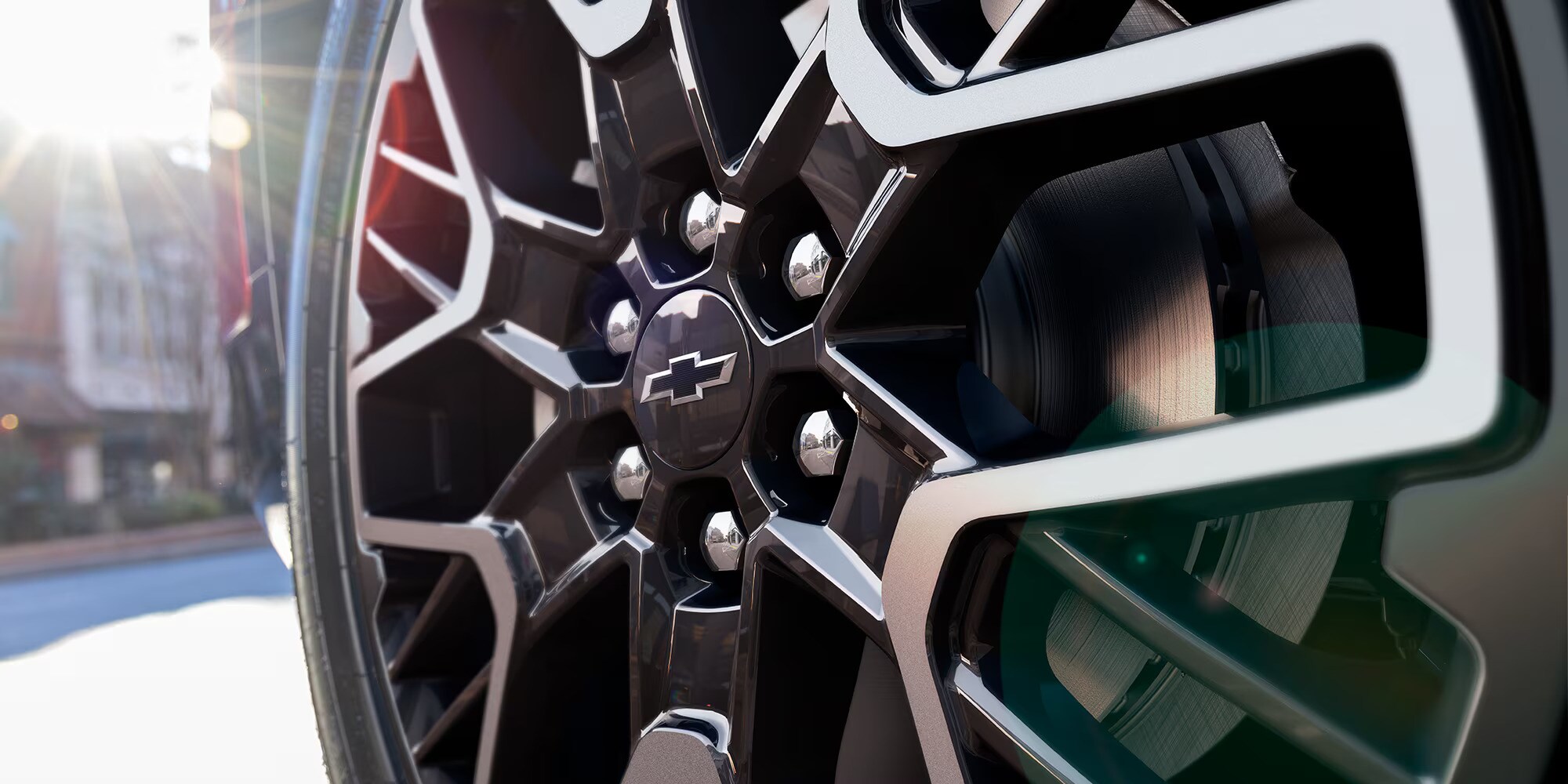
Translating Maintenance to Real-World Value
The 45,000-mile interval is critical depending on your specific drivetrain configuration. If you drive the RS trim with the Advanced Twin-Clutch AWD system, servicing the differential and transfer case fluid ensures the system can instantly shift torque to the rear wheels when you encounter black ice on I-90.
Similarly, both the 2.0L Turbo and 3.6L V6 utilize a sophisticated 9-speed automatic transmission. Replacing the transmission fluid on time prevents harsh shifting and ensures the engine remains in its most efficient RPM range during long trips to Rochester. Maintaining these systems guarantees you continue to achieve the stellar efficiency ratings listed in the EPA fuel economy database.
Long-Term Ownership Considerations
As your SUV approaches major mileage milestones, you may want to evaluate your long-term automotive goals. Sometimes, upgrading to a brand new model with a fresh warranty makes more financial sense than investing in higher-mileage powertrain maintenance. If you are curious about your current equity, you can easily evaluate your vehicle trade-in value online before deciding whether to service your current vehicle or upgrade to the newest model year.
Staying proactive with your service schedule is the single most effective way to protect your automotive investment.
1Dealer Discount applied to everyone