

2026 GMC Sierra 3500HD Comparison: SRW vs DRW


View Sierra 3500HD Inventory Compare on Sierra HD Overview Schedule a Test Drive


The Sierra 3500HD Dual Rear Wheel (DRW) unlocks a maximum towing capacity of up to 36,000 lbs, while the Single Rear Wheel (SRW) configuration prioritizes daily maneuverability. Both one-ton truck configurations offer commercial-grade strength to conquer the heaviest jobs across Southern Minnesota. Compare these two massive architectures by browsing our live GMC 3500 inventory today.

Choosing between a Single Rear Wheel and a Dual Rear Wheel pickup changes the fundamental physics of how your vehicle hauls weight. While both models utilize the exact same high-strength frame and engine options, the rear axle configuration dictates your absolute payload ceiling and highway stability. To see how these configurations pair with available commercial and luxury packages, review our comprehensive GMC commercial pickup overview.
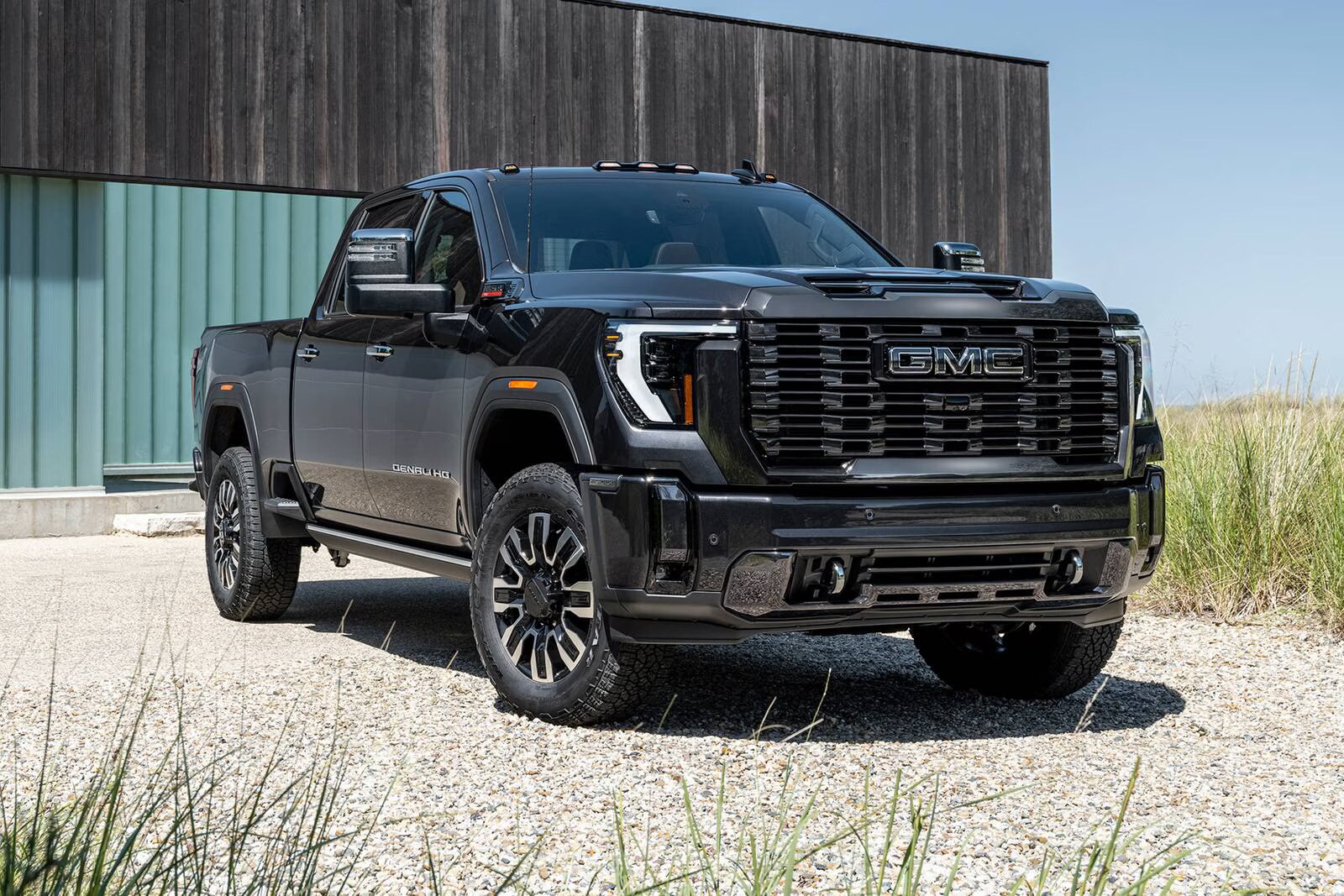
Single Rear Wheel (SRW): Daily Drivability

The SRW configuration features the traditional setup of two tires on the rear axle. For contractors and site managers in Austin, the primary benefit of the SRW is its daily drivability. Because the rear fenders are significantly narrower than a dually, an SRW truck is much easier to park in tight commercial lots, fits through standard automated car washes, and is more nimble when navigating narrow city streets.

Despite having only two rear wheels, a properly equipped 3500HD SRW still delivers phenomenal pulling power that easily eclipses light-duty limits. It is the perfect choice for pulling conventional bumper-pull utility trailers, mid-size campers, or heavy skid steers without the added width and tire maintenance costs of a dually.

Dual Rear Wheel (DRW): Maximum Stability and Payload
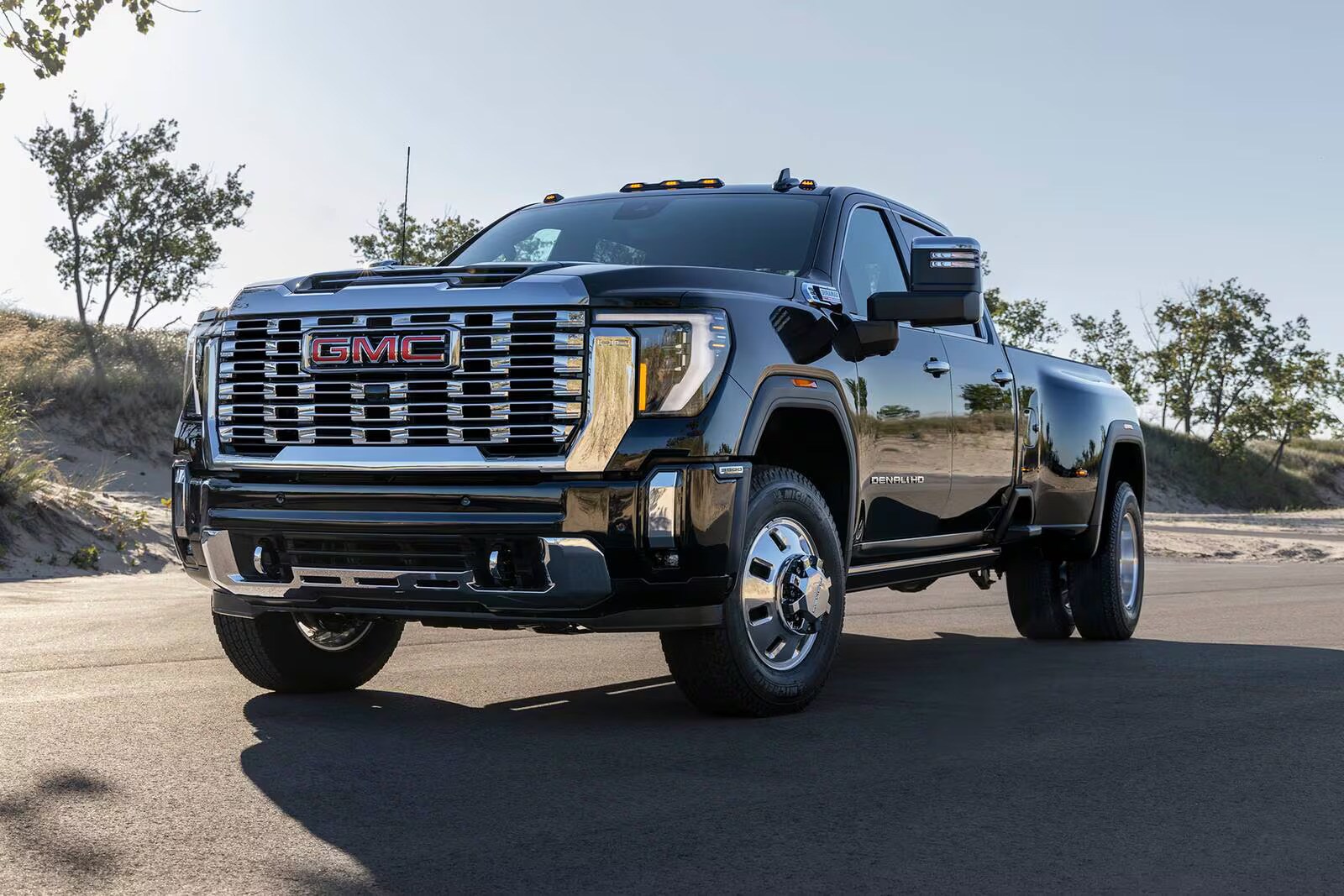
The DRW configuration, commonly known as a "dually," places four tires on the rear axle under massive, flared fenders. This architecture is explicitly designed for the most extreme hauling requirements. The extra tires dramatically widen the truck's footprint, effectively dispersing the crushing pin weight of a massive fifth-wheel or gooseneck trailer over a larger surface area.

This physical footprint is what allows the 3500HD DRW to achieve its jaw-dropping 36,000-lb max trailering limit and its 7,290-lb max payload limit, when properly equipped. Furthermore, the four rear tires provide unmatched lateral stability against heavy crosswinds on I-90, ensuring the trailer does not sway and push the truck around at highway speeds. You can verify the exact weight distributions for these specific setups on the [official GMC commercial vehicle portal].

Side-by-Side Configuration Specifications

The following table highlights the distinct differences between these one-ton architectures.
SpecificationSierra 3500HD SRWSierra 3500HD DRW (Dually)
Rear Tire SetupTwo TiresFour Tires
Max Towing CapacityUp to 22,000+ lbsUp to 36,000 lbs
Max Payload CapacityUp to 4,600+ lbsUp to 7,290 lbs
Body WidthStandardExtra-Wide (Flared Fenders)
Ideal ApplicationHigh utility with daily maneuverabilityMaximum fifth-wheel/gooseneck hauling

(Note: Maximum trailering and payload capabilities are dependent on exact cab, bed, and engine configurations).


Disclaimer: The Manufacturer’s Suggested Retail Price excludes tax, title, license, dealer fees and optional equipment. Dealer sets final price.

1Dealer Discount applied to everyone