

Choosing Your Chevrolet Crossover: 2026 Trax vs. Trailblazer
2026 Chevrolet Trax Inventory 2026 Chevrolet Trax Hub Schedule A Test Drive
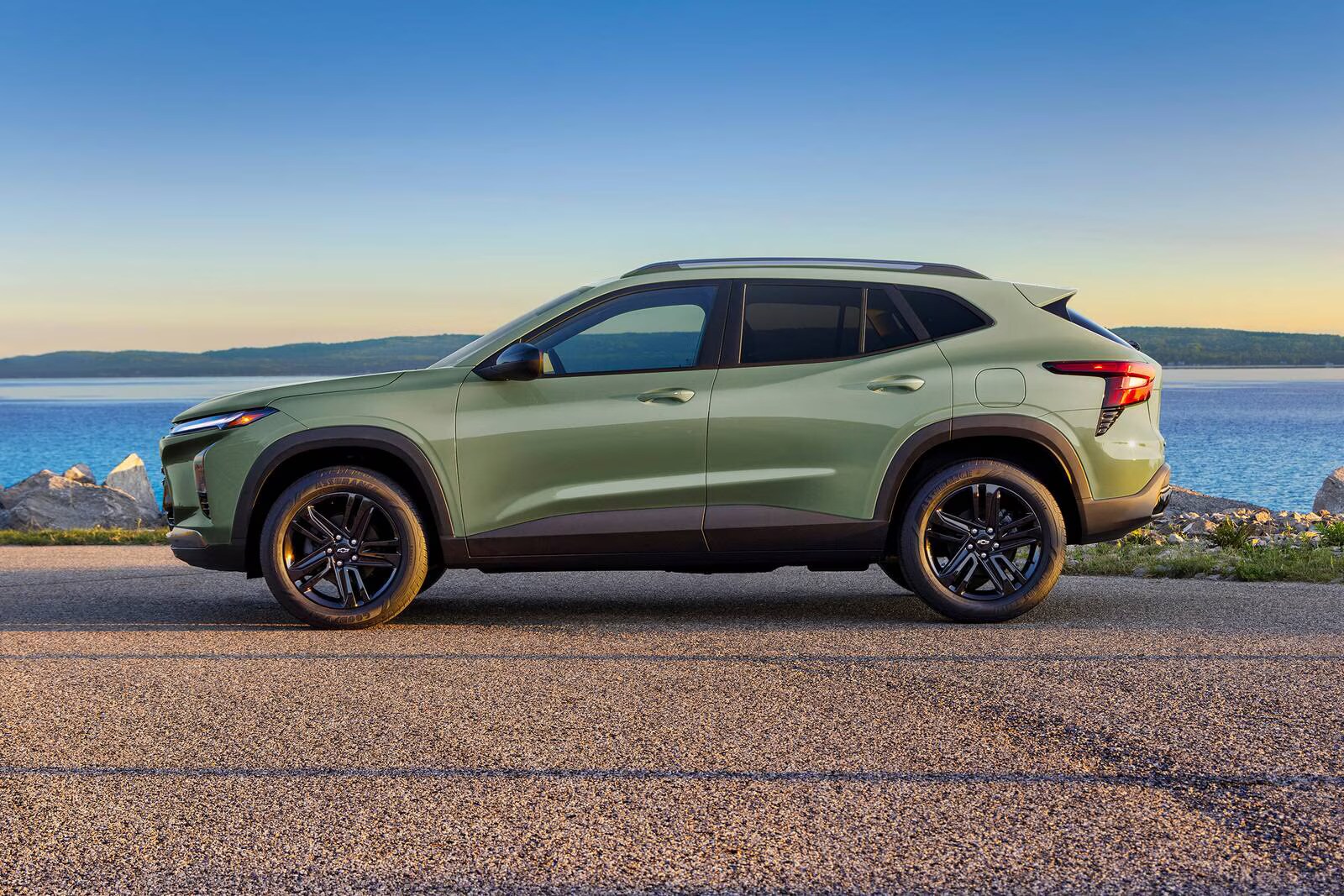
When evaluating a new Chevrolet crossover, Austin, MN, drivers frequently narrow their choices down to the newly redesigned Trax and the highly capable Trailblazer. Both vehicles offer striking exterior designs and modern technology, but they are built on fundamentally different engineering platforms to serve distinct daily needs.
The 2026 Trailblazer offers all-wheel drive, while the 2026 Trax operates exclusively with a front-wheel drivetrain. This structural difference dictates how each vehicle manages heavy snow accumulation across Southern Minnesota highways. Review the exact capability metrics below before browsing our current crossover vehicle inventory to find your match.
For a complete breakdown of available trims and technology features for the front-wheel-drive platform, review our detailed 2026 Chevrolet Trax model overview.
To compare the real-world handling of both suspension setups, you can schedule a test drive directly from our live crossover vehicle inventory.
Objective Performance Specifications
To make an informed decision, buyers must look past the exterior styling and examine the core mechanical specifications. The data below is sourced directly from verified manufacturer engineering metrics.
| Specification | 2026 Chevrolet Trax | 2026 Chevrolet Trailblazer |
|---|---|---|
| Standard Engine | ECOTEC 1.2L Turbocharged Inline-3 | ECOTEC 1.2L Turbocharged Inline-3 |
| Available Engine | Not Available | ECOTEC 1.3L Turbocharged Inline-3 |
| Maximum Horsepower | 137 hp | 155 hp (when properly equipped) |
| Drivetrain Options | Front-Wheel Drive (FWD) | FWD or All-Wheel Drive (AWD) |
| Maximum Cargo Volume | 54.1 cu. ft. | 54.4 cu. ft. (when properly equipped) |
| Second Row Legroom | 38.7 inches | 39.4 inches |
Drivetrain Capabilities and Winter Weather Translation
The most significant divergence between these two models is how power is delivered to the pavement. The 2026 Trax utilizes a strict Front-Wheel Drive architecture. This configuration places the engine weight directly over the drive wheels, providing excellent traction for daily commuting down Oakland Avenue or running errands around Austin during light rain and plowed snow conditions. The lighter FWD system also translates to superior fuel efficiency during long highway drives on I-90.
Conversely, the Trailblazer offers an available All-Wheel Drive system. This system actively monitors wheel slip and can direct torque to the rear axle when traction is lost. For buyers who live on unpaved rural roads outside of town or those who must commute before city snowplows clear the streets, this AWD capability provides essential forward momentum in deep drifts.
You can verify these mechanical differences directly via the official Chevrolet Trailblazer specifications page.
Interior Space and Payload Utilization
While the Trailblazer appears taller, both vehicles offer remarkably similar cargo volume. The Trax provides 54.1 cubic feet of maximum space with the rear seats folded, while the Trailblazer offers up to 54.4 cubic feet when properly equipped.
The true difference lies in passenger layout. The longer wheelbase of the 2026 Trax is engineered specifically to maximize passenger comfort rather than accommodating bulky AWD hardware underneath the floorboards. This translates into a more car-like driving posture and exceptional rear-seat legroom. The Trailblazer offers a taller, more traditional SUV seating position that gives drivers a slightly higher vantage point over traffic.
Buyers heavily focused on fuel costs can compare the efficiency ratings of both stances via the EPA fuel economy database.
1Dealer Discount applied to everyone