

2027 Chevrolet Bolt Range, Battery and Charging Explained
The 2027 Chevrolet Bolt delivers 262 miles of EPA-rated range from a 65 kWh lithium-iron-phosphate battery. That combination positions it as one of the most range-competitive EVs in its class. This page breaks down how the battery, charging, and range work together, with inventory available at ASA Auto Plaza of Austin.
Range, Battery and Charging Overview
262 miles of range is the headline number, but the engineering behind it tells the fuller story. The 2027 Bolt uses a 65 kWh lithium-iron-phosphate (LFP) battery pack paired with a single electric motor producing 210 hp and 169 lb-ft of torque through a front-wheel-drive layout. LFP chemistry is notable for its thermal stability and long cycle life, meaning the battery holds its capacity well over time compared to older nickel-manganese-cobalt chemistries used in earlier EVs.
The Bolt supports DC fast charging at up to 150 kW, which brings the battery from 10% to 80% in approximately 25 minutes. DC fast charging speed comparison For everyday use, the onboard Level 2 AC charger accepts up to 11.5 kW, adding up to 40 miles of range per hour on a home charger or public Level 2 station.
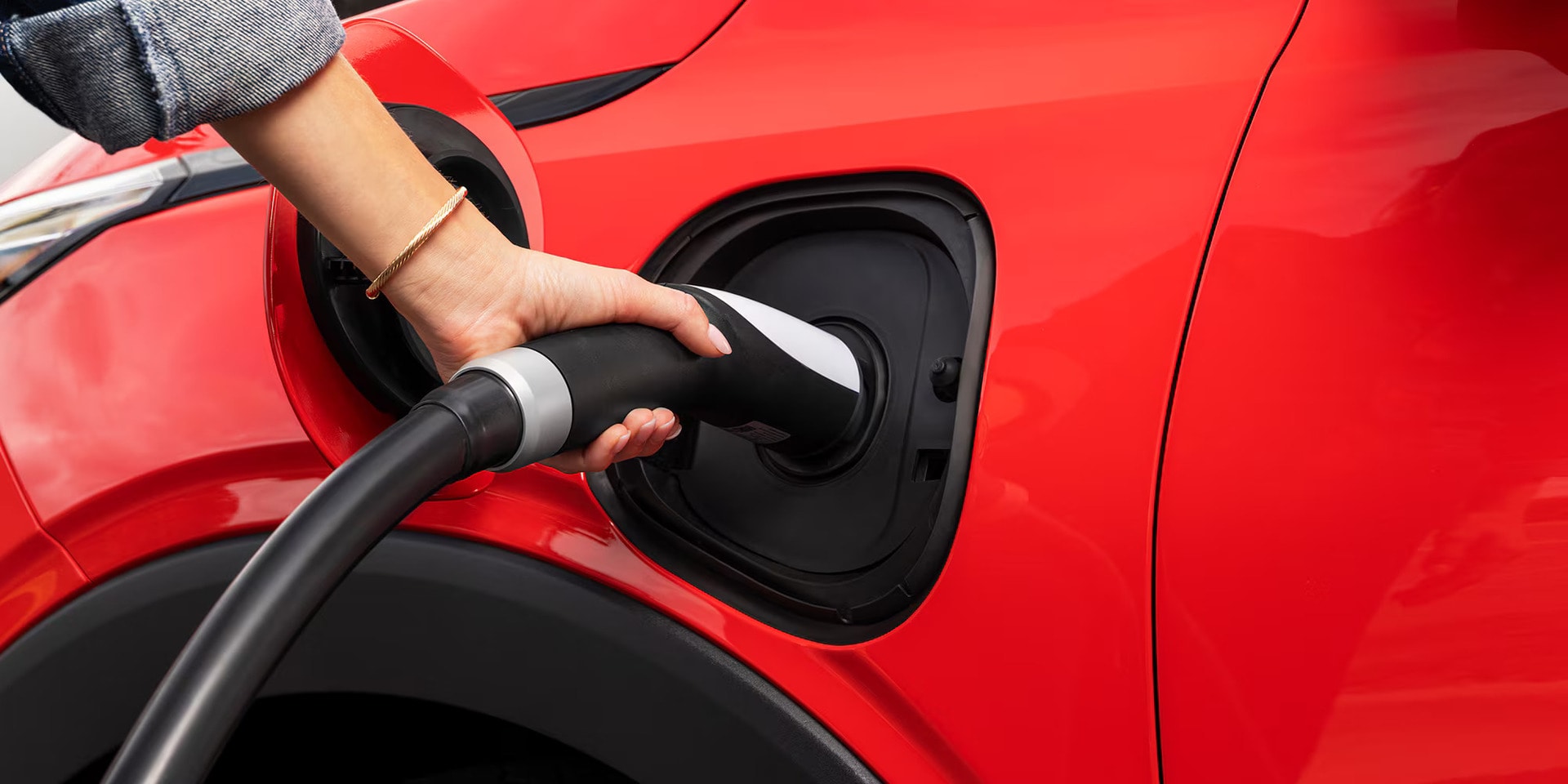
One feature that sets the 2027 Bolt apart from many competitors is bidirectional Vehicle-to-Home (V2H) charging capability. The Bolt can send power from its battery back to a properly equipped home when paired with compatible bidirectional charging hardware, functioning as a backup power source during outages or as part of a home energy management setup.
2027 Chevrolet Bolt full specs
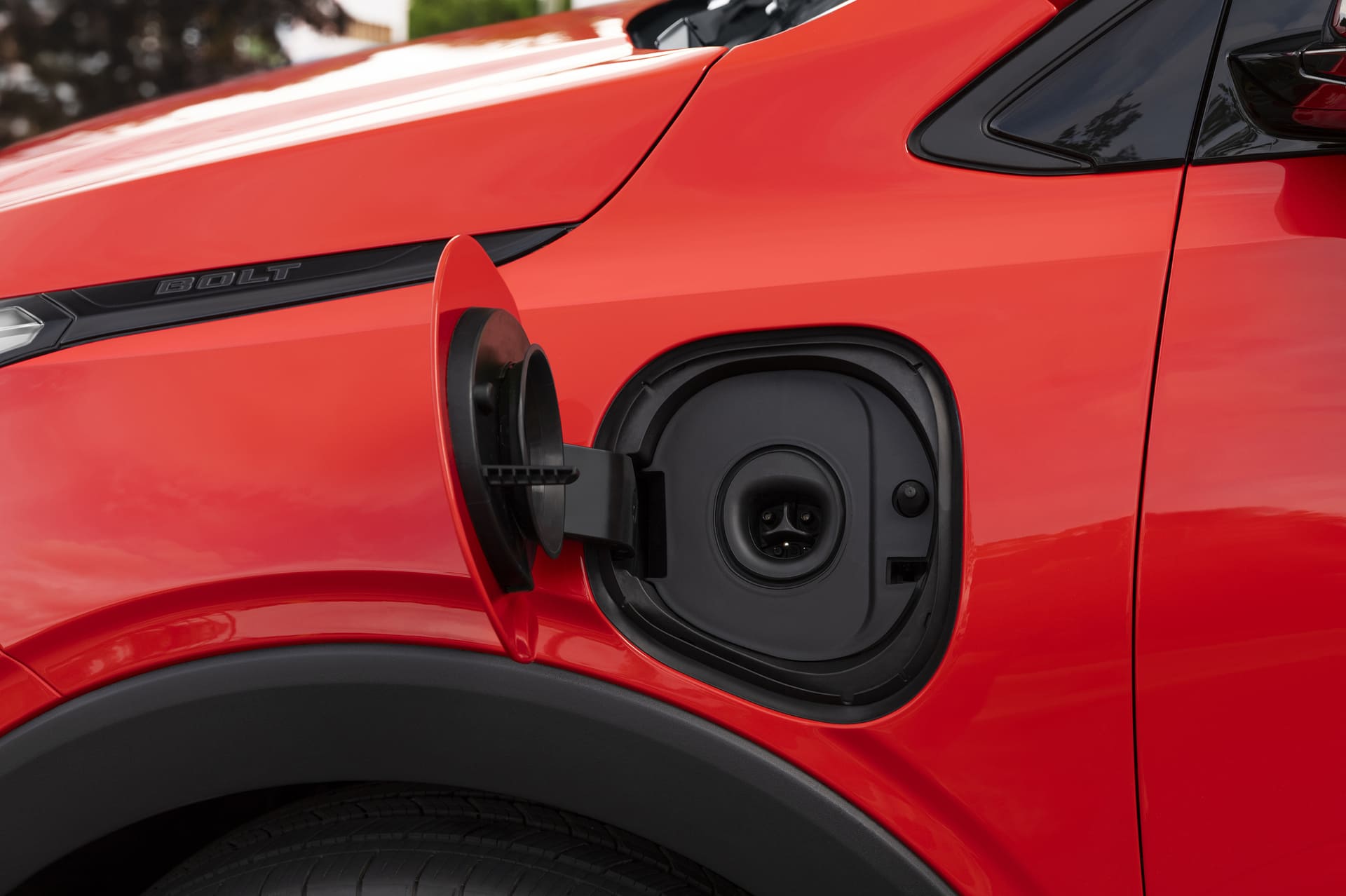
How the Charging System Works
The 2027 Bolt uses the North American Charging Standard (NACS) port, now the dominant connector format across the U.S. charging network. NACS adoption overview Drivers in Austin, MN and across the region have access to a growing base of compatible NACS fast chargers, including select Tesla Supercharger locations.
At a DC fast charger, the Bolt supports charging at up to 150 kW and can bring the battery from 10% to 80% in approximately 25 minutes. Charging power varies throughout the session as the vehicle manages battery temperature, state of charge, and other conditions to protect battery health.
For daily charging at home, a 240V Level 2 charger running at up to 11.5 kW adds as much as 40 miles of range per hour. A driver who commutes 50 miles round-trip could replenish that amount of driving in about 75 minutes of charging under optimal conditions.
One-Pedal Driving also plays a role in range management. The Bolt offers Normal and High regenerative braking settings. In High mode, lifting off the accelerator pedal brings the car to a near-complete stop while recapturing kinetic energy back into the battery. Drivers who learn to use regenerative braking consistently can extend their real-world range beyond the EPA estimate on familiar routes.
Range and Charging Across the Trims
Both the LT and RS trims share the same 65 kWh LFP battery, 262-mile range rating, 150 kW DC fast charging capability, and 11.5 kW Level 2 AC charging. The core range and charging experience is identical regardless of which trim you choose.
The RS trim adds its own styling and appearance upgrades while both trims have access to available technology that supports awareness and confidence on longer trips. Available features include HD Surround Vision, which aids in tight charging station maneuvering, and Super Cruise, Chevrolet's hands-free driver assistance technology that works on compatible mapped highways. On a 262-mile charge, Super Cruise can meaningfully reduce driver fatigue during longer legs between charging stops.
Both trims include the standard NACS charge port, multiple USB-C ports for in-cabin device charging, and available wireless phone charging to keep navigation and EV apps running without draining passenger devices.
| Feature | LT | RS |
|---|---|---|
| Battery | 65 kWh LFP | 65 kWh LFP |
| Range | 262 miles | 262 miles |
| DC Fast Charging | 150 kW | 150 kW |
| Level 2 AC Charging | 11.5 kW | 11.5 kW |
| V2H Bidirectional | Capable | Capable |
| Super Cruise | Available | Available |
| HD Surround Vision | Available | Available |
Real-World Benefit for Drivers
For Austin, MN drivers, 262 miles of EPA-rated range provides substantial coverage for regional travel, including trips toward the Minneapolis area. Actual highway range varies with temperature, speed, terrain, HVAC use, and other driving conditions, which is especially important to consider during Minnesota winters.
The V2H capability adds a layer of utility specific to Minnesota winters. During a power outage, the Bolt can supply electricity back to a properly equipped home when paired with compatible bidirectional charging hardware and a GM Energy home system. This turns the Bolt into a household energy asset rather than just a vehicle.
For drivers who want to minimize charging costs, Level 2 home charging at off-peak utility rates keeps the cost per mile low. Charging overnight at a typical Minnesota utility rate replenishes a near-empty 65 kWh battery for a cost well below what an equivalent gasoline commute would require. Residential electricity rates by state
The 8-year / 100,000-mile battery limited warranty gives confidence that the LFP pack will perform as rated for the long term. Chevrolet recommends regularly charging the 2027 Bolt to 100% to support accurate battery-level and range displays, optimal performance, and faster overall DC fast-charging performance.
How It Compares to the Competition
The Bolt's 262-mile range sits solidly above the base range figures for several key competitors in the compact EV segment. Its 150 kW DC fast charging capability also represents a major improvement over earlier Bolt generations, making longer trips substantially easier to plan.
The LFP battery chemistry is a deliberate choice that prioritizes longevity and thermal resilience over raw energy density. The chemistry also supports Chevrolet's recommendation to charge the Bolt to 100% regularly.
Bidirectional V2H charging remains uncommon in this price segment. Most competitors at a similar price point offer charge-only capability, making V2H a genuine differentiator for buyers who want home energy backup from their vehicle.
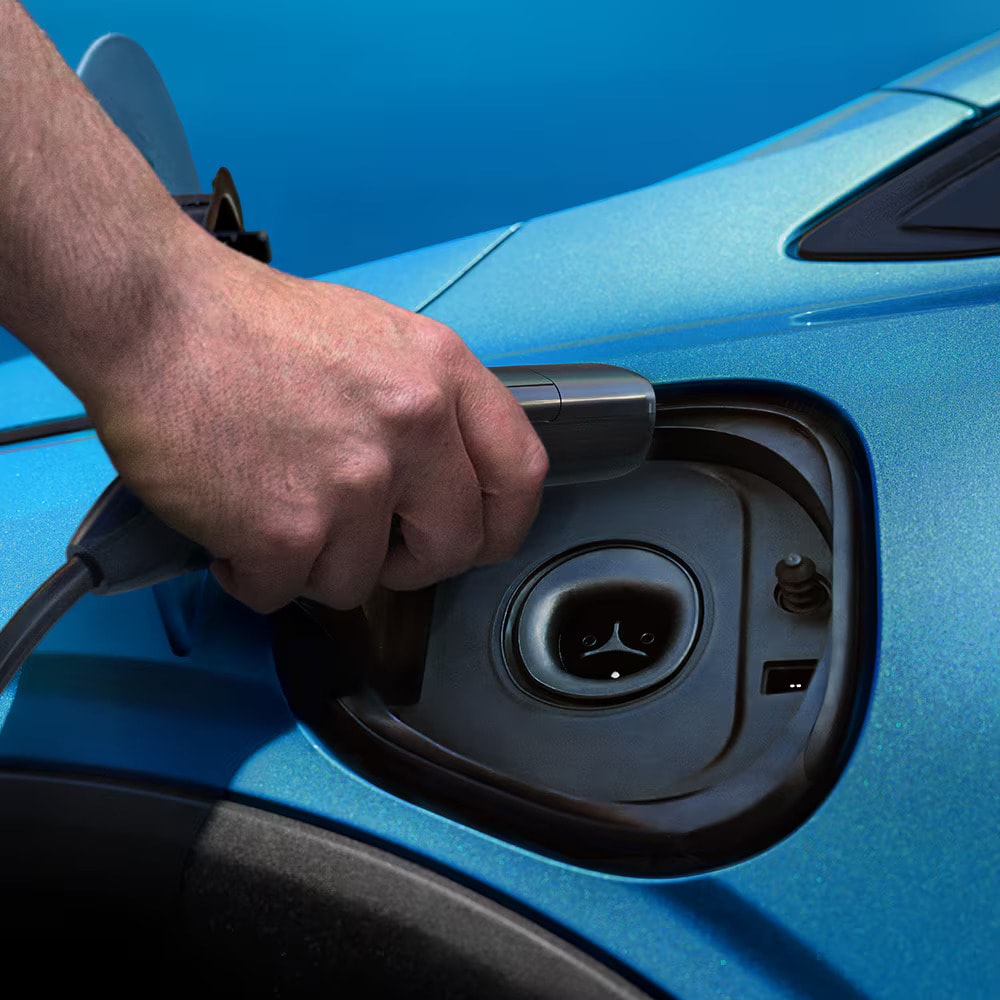
The standard NACS port provides direct access to compatible NACS charging stations, including select Tesla Superchargers, without requiring a CCS-to-NACS adapter.
See the 2027 Chevrolet Bolt at ASA Auto Plaza of Austin
The 2027 Bolt's 262-mile range, 25-minute fast-charge window, and V2H capability make it one of the most functional EVs available in Austin, MN. ASA Auto Plaza of Austin can help shoppers compare the 2027 Bolt LT and RS, review availability, and plan for incoming vehicles. Check with the dealership for current availability and schedule a test drive when vehicles are available.
Frequently Asked Questions
How far does the 2027 Chevrolet Bolt go on a full charge?
The 2027 Bolt delivers 262 miles of EPA-rated range on a full charge from its 65 kWh lithium-iron-phosphate battery.
How fast does the 2027 Bolt charge at a DC fast charger?
DC fast charging at up to 150 kW brings the 2027 Bolt from 10% to 80% in approximately 25 minutes.
What is Level 2 charging speed on the 2027 Bolt?
The 2027 Bolt accepts Level 2 AC charging at up to 11.5 kW, adding up to 40 miles of range per hour on a compatible 240V home charger or public station.
Does the 2027 Chevrolet Bolt have bidirectional charging?
Yes. The 2027 Bolt is Vehicle-to-Home (V2H) bidirectionally capable, allowing it to send stored battery power back to a properly equipped home when connected to compatible bidirectional charging hardware.
What type of charge port does the 2027 Bolt use?
The 2027 Bolt uses the North American Charging Standard (NACS) port as standard equipment, providing direct access to compatible NACS charging stations, including select Tesla Superchargers.
Is the battery the same on the LT and RS trims?
Yes. Both the LT and RS trims use the same 65 kWh lithium-iron-phosphate battery with identical 262-mile range and charging speeds.
What is the battery warranty on the 2027 Chevrolet Bolt?
Chevrolet covers the 2027 Bolt battery with an 8-year / 100,000-mile limited warranty.
Can I charge the 2027 Bolt to 100% regularly?
Yes. Chevrolet recommends regularly charging the 2027 Bolt to 100% to support accurate battery-level and range displays, optimal performance, and faster overall DC fast-charging performance.
1Dealer Discount applied to everyone