

2027 Chevrolet Bolt vs 2026 Nissan Leaf: Which EV Wins for Minnesota Drivers?
The 2027 Chevrolet Bolt delivers 210 hp and 262 miles of EPA-estimated range from a 65 kWh lithium-iron-phosphate battery. The 2026 Nissan Leaf counters with 214 hp, 261 lb-ft of torque, and up to 303 miles of range on its S+ trim. This page breaks down every key difference, and you can check current Bolt inventory at ASA Auto Plaza of Austin.
2027 Chevrolet Bolt overview and features
The Short Answer
The 2027 Bolt wins for buyers who prioritize faster DC charging, bidirectional Vehicle-to-Home capability, and available hands-free Super Cruise technology. The 2026 Leaf wins for buyers who want more torque, the longest available range figure on the S+ trim, and a 360-degree parking camera standard across all trims. Both are competitive city-friendly EVs, but their strengths land in different places.
Specs Head-to-Head
| Spec | 2027 Chevrolet Bolt | 2026 Nissan Leaf S+ |
|---|---|---|
| Horsepower | 210 hp | 214 hp |
| Torque | 169 lb-ft | 261 lb-ft |
| Battery | 65 kWh LFP | 75 kWh lithium-ion |
| EV Range | 262 miles | 303 miles S+ / 288 SV+ / 259 Platinum+ |
| Drivetrain | FWD | FWD |
| Cargo, behind 2nd row | 16.2 cu ft | 20 cu ft |
| Max Cargo | 56.3 cu ft | 55.5 cu ft |
| DC Fast Charge Speed | Up to 150 kW | Up to 74 kW |
| DC Fast Charge Time | 26 min, 10-80% | 35 min, peak |
| Level 2 AC Charging | Up to 11.5 kW, 40 mi/hr | 6.5 hr @ 240V |
| Seating | 5 | 5 |
| Basic Warranty | 3 yr / 36,000 mi | 3 yr / 36,000 mi |
| Battery Warranty | 8 yr / 100,000 mi | 8 yr / 100,000 mi |
| Powertrain Warranty | 8 yr / 100,000 mi, battery | 5 yr / 60,000 mi |
| MPGe Combined | 120 | 121 S+ |
EPA fuel economy ratings for EVs
Performance and Powertrain
The Leaf holds a clear torque advantage, producing 261 lb-ft versus the Bolt's 169 lb-ft. That gap is noticeable when merging at highway speeds or pulling away from a stop with a full load. The Bolt's 210 hp is competitive, and the lithium-iron-phosphate chemistry in its battery is known for thermal stability and long cycle life, which matters during Minnesota winters.
Where the Bolt pulls ahead is charging speed. Its 150 kW DC fast charging brings the battery from 10% to 80% in 26 minutes. The Leaf's peak fast charge time is 35 minutes to the same threshold. For a road trip from Austin, MN toward Minneapolis or Rochester, that nine-minute difference at a charging stop adds up quickly.
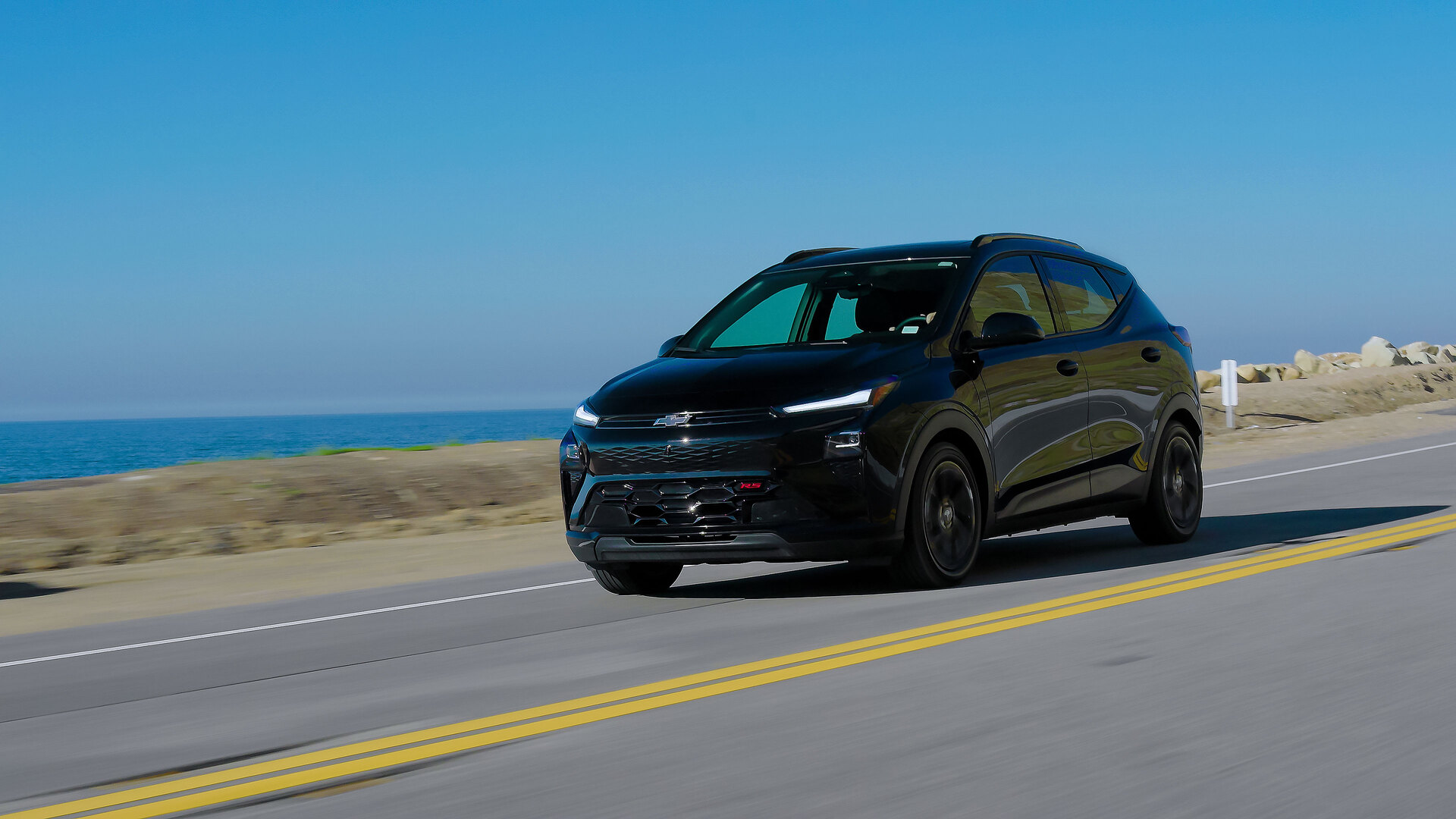
The Bolt's standard NACS charge port connects to the largest public fast-charging network in North America. The Leaf also offers NACS on the passenger side plus a J1772 Level 2 port on the driver side, giving it dual-port flexibility.
One technology the Bolt offers that the Leaf does not match: Vehicle-to-Home (V2H) bidirectional charging. During a power outage or peak-rate hours, the Bolt can feed electricity back to your home. The Leaf offers Vehicle-to-Load (V2L) with up to 1,500W output through 120V outlets, which is useful for camping or jobsite tools but not a full home backup solution.
Interior, Space, and Cargo
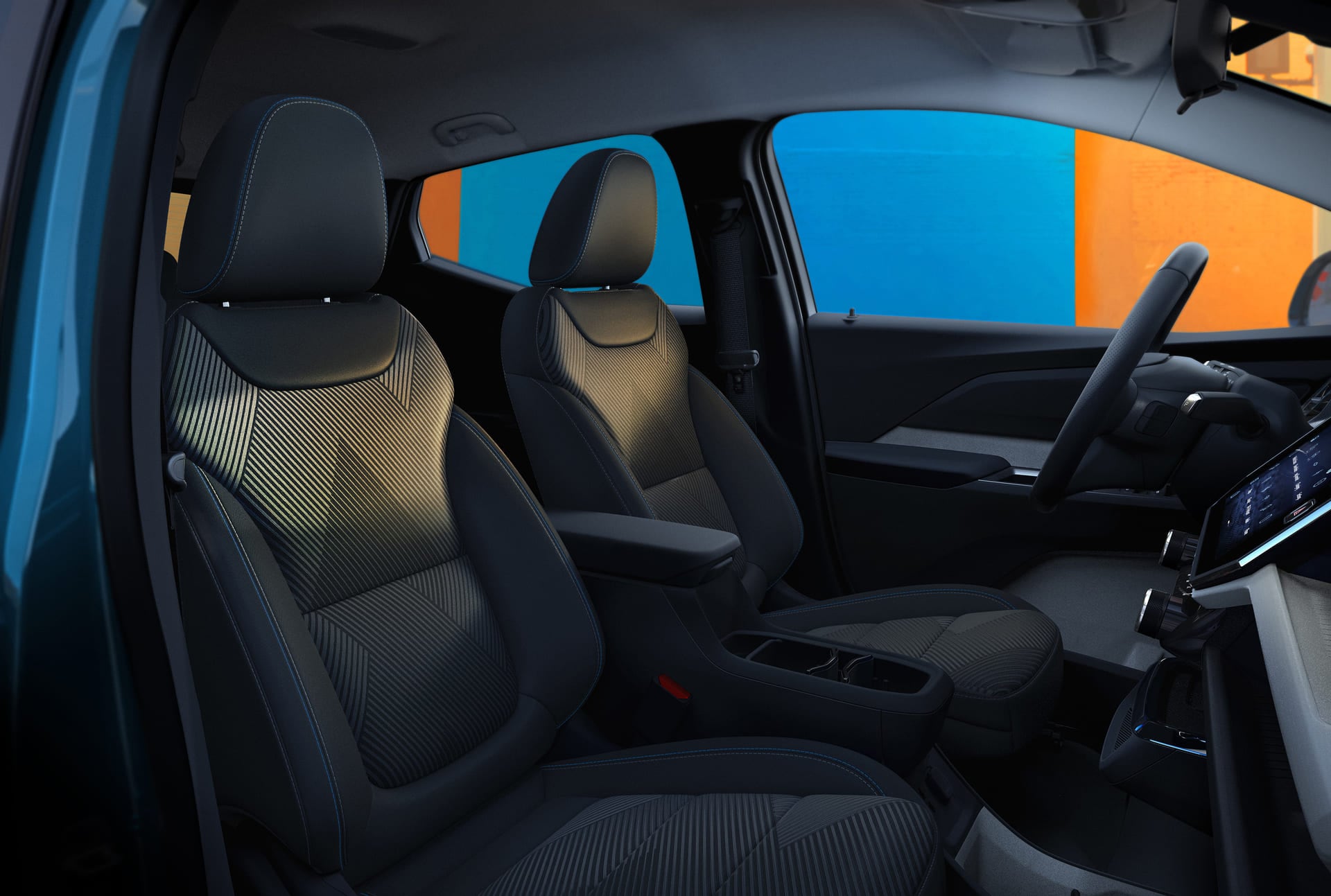
The Leaf has more cargo space behind the second row, 20 cu ft versus the Bolt's 16.2 cu ft, which is a meaningful difference if grocery runs or weekend gear are a regular part of your driving. The Bolt reclaims ground in maximum cargo capacity at 56.3 cu ft compared to the Leaf's 55.5 cu ft, so with the rear seats folded both are nearly identical.
The Leaf stretches slightly longer at 173.4 inches versus the Bolt's 169.58 inches, and it is also a bit taller at 61.3 inches compared to the Bolt's 63.87 inches. The Leaf offers 42.4 inches of front legroom and 31.8 inches of rear legroom in its specs.
The Leaf's Platinum+ trim adds heated front and rear seats, a heated steering wheel, TailorFit seating, and a dimming panoramic roof. The Bolt's RS trim adds HD Surround Vision, a digital rearview mirror, and available wireless phone charging. For Minnesota winters specifically, the Leaf's Platinum+ heated rear seats and steering wheel are a practical advantage worth noting if comfort features drive your decision.
Technology and Safety
Both vehicles include Google Built-In on upper trims, standard adaptive cruise control, and NACS fast-charging ports. The differences show up in the details.
The Bolt runs an 11.3-inch touchscreen with an 11-inch driver information screen and includes Google Gemini as an in-vehicle AI assistant. The RS trim adds available Super Cruise, Chevrolet's hands-free driver assistance system for compatible divided highways. That is a meaningful differentiator, the Leaf's ProPILOT Assist is a hands-on lane-centering and adaptive cruise system, while Super Cruise removes the requirement to keep hands on the wheel on supported roads.
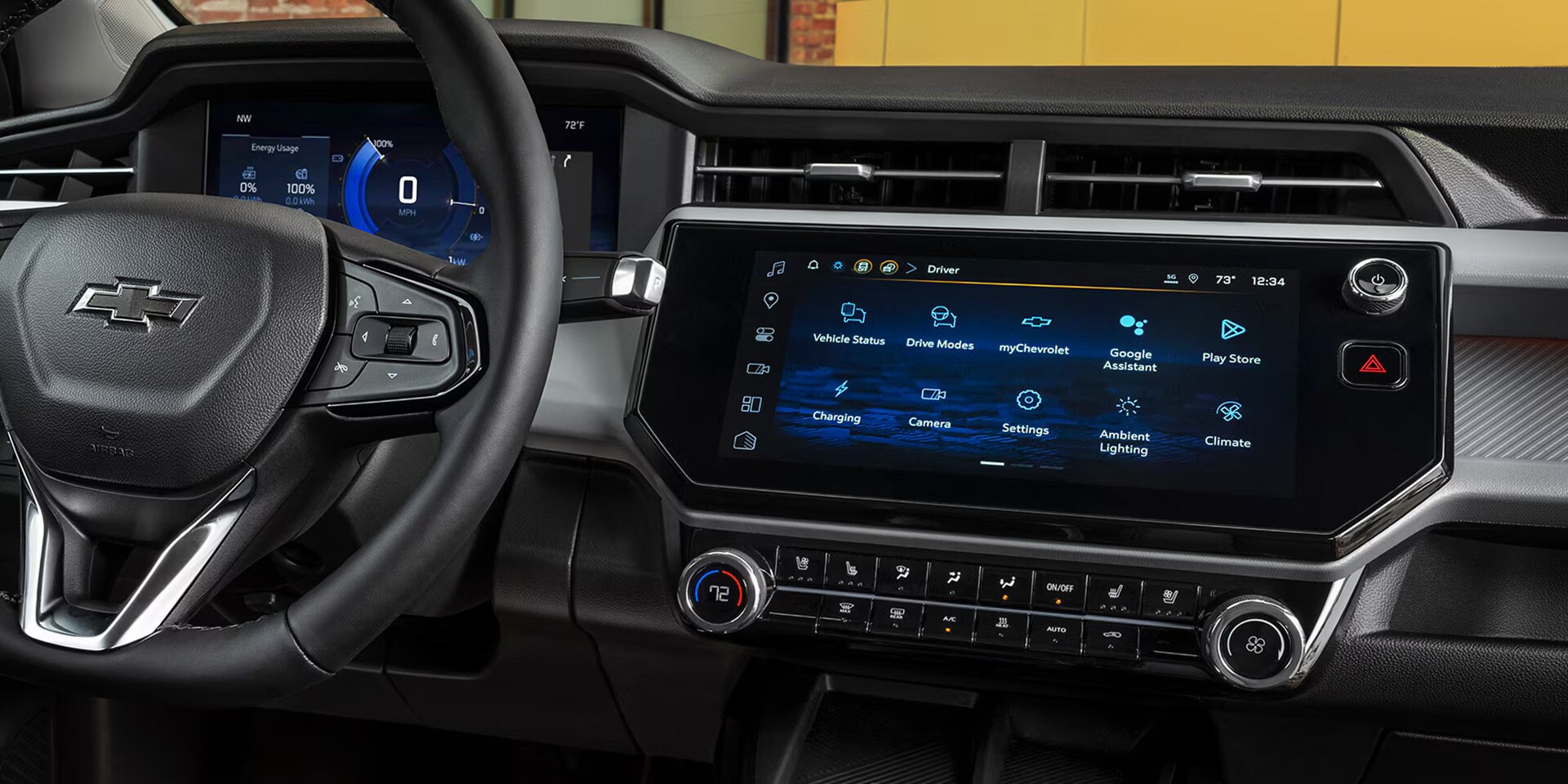
The Leaf brings a denser standard safety suite. Every trim gets a 360-degree Around View Monitor, Blind Spot Intervention, Lane-Centering Steering, Driver-Attention Monitor, Road-Sign Recognition, and ProPILOT Assist. The Bolt's standard suite covers Adaptive Cruise Control, Intersection Collision Mitigation, Rear Automatic Braking, Rear Cross Traffic Alert with Braking, Rear Park Assist, IntelliBeam high beams, and the Safety Alert Seat. The Leaf stacks more driver-assist features at the base trim level.
The Leaf's S+ uses a 12.3-inch screen while the SV+ and Platinum+ step up to a 14.3-inch display. Wireless Android Auto and Apple CarPlay are standard on every Leaf trim. The Bolt offers wireless phone charging as an available feature; the Leaf includes it on the SV+ and above.
Value and Ownership
Both vehicles share identical basic warranty coverage at 3 years / 36,000 miles and battery coverage at 8 years / 100,000 miles. The gap appears in powertrain coverage: the Bolt's powertrain protection runs through the 8-year / 100,000-mile battery warranty period, while the Leaf's general powertrain warranty ends at 5 years / 60,000 miles, though EV system components are covered for 8 years / 100,000 miles separately.
The Bolt's 120 MPGe combined is nearly identical to the Leaf S+'s 121 MPGe combined at the base level, though the Leaf's efficiency drops to 114 MPGe on the SV+ and 103 MPGe on the Platinum+. Minnesota's cold winters reduce range on any EV, and the Bolt's LFP battery chemistry handles repeated charge cycles well over time.
The Bolt's One-Pedal Driving with two regenerative braking settings, Normal and High, reduces brake wear. The Leaf offers cabin preconditioning on all trims, as does the Bolt.
Chevrolet EV charging and ownership at ASA Auto Plaza
Which One Should You Buy
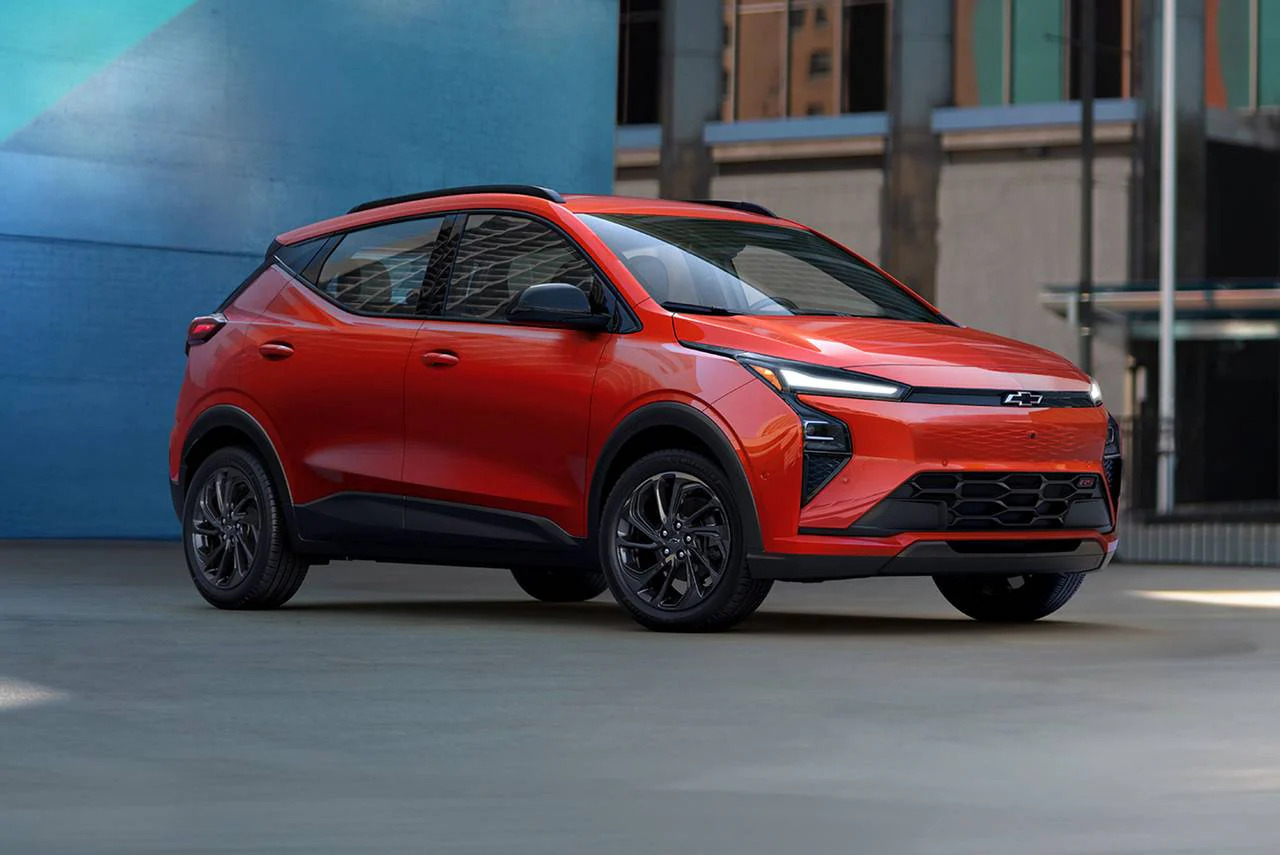
Choose the 2027 Chevrolet Bolt if:
- Fast DC charging, 150 kW and 26 minutes to 80%, is a priority for road trips through Minnesota
- You want available Super Cruise hands-free highway driving on the RS trim
- Vehicle-to-Home bidirectional power appeals to you as a backup or energy management tool
- You want class-leading efficiency in a compact EV with a proven LFP battery
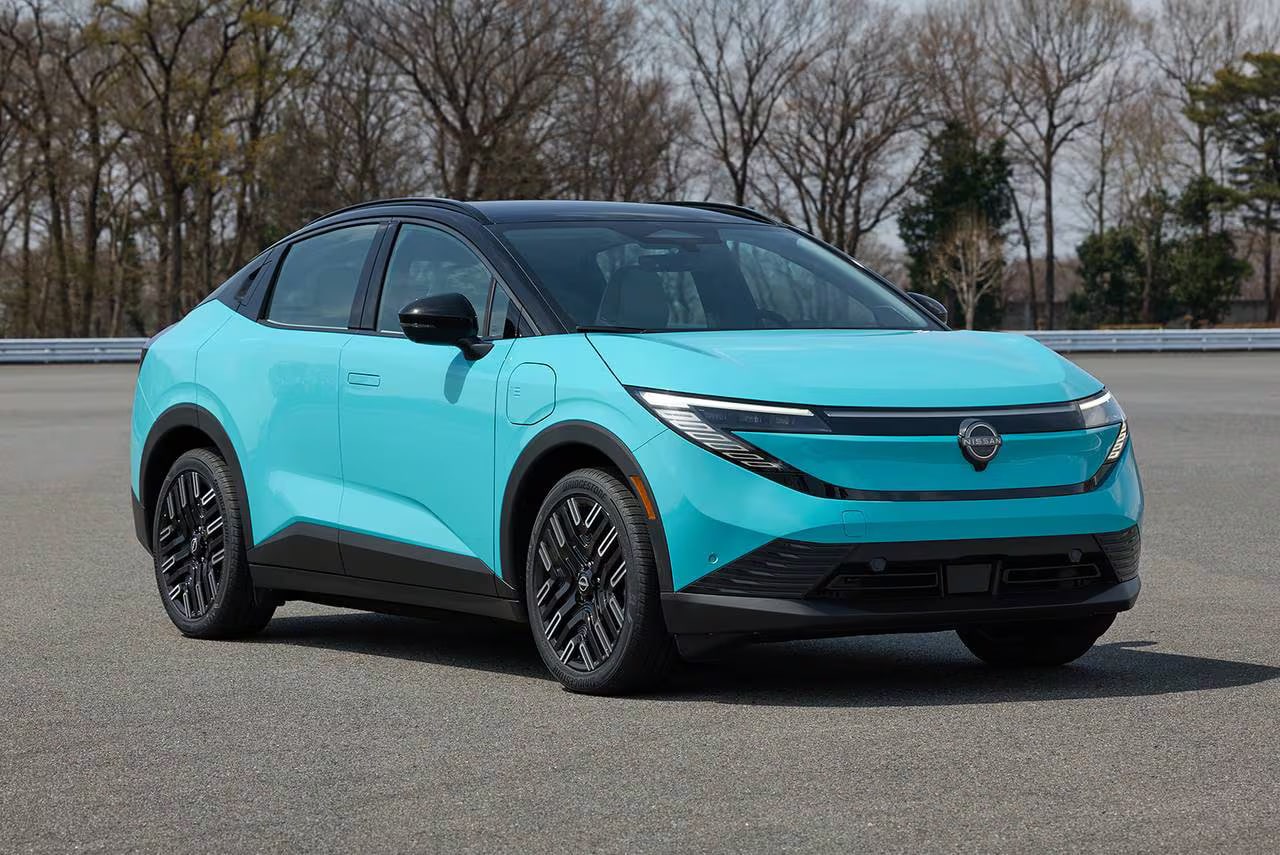
Choose the 2026 Nissan Leaf if:
- You want the longest range figure available, 303 miles on S+
- More torque, 261 lb-ft, and a richer standard safety suite matter most to you
- The Platinum+ heated rear seats, panoramic roof, and Bose audio fit your lifestyle
- You prefer more cargo room behind the second row, 20 cu ft
Buyers in Austin, MN who make frequent highway runs toward Rochester or the Twin Cities will find the Bolt's faster charging speed a practical daily advantage. Buyers who prioritize feature density at the base trim or torque for confident passing will find the Leaf a strong alternative.
Drive the 2027 Bolt at ASA Auto Plaza of Austin
ASA Auto Plaza of Austin serves drivers across Austin and the surrounding southern Minnesota region. The 2027 Chevrolet Bolt is available in both LT and RS trims, with colors including Habanero Orange, Marina Blue Metallic, and trim-exclusive Atomic Yellow on the RS. If you are ready to see it in person, compare it against any other EV on your list, or put it through its paces on a test drive, the team at ASA Auto Plaza is ready to help.
Frequently Asked Questions
Does the 2027 Chevrolet Bolt charge faster than the 2026 Nissan Leaf?
Yes. The 2027 Bolt charges at up to 150 kW DC fast charging, reaching 10% to 80% in 26 minutes. The Leaf's peak DC fast charge takes 35 minutes to the same threshold.
Which has more range, the 2027 Bolt or the 2026 Nissan Leaf?
The 2026 Leaf has more range on its S+ trim at 303 miles. The 2027 Bolt delivers 262 miles of EPA-estimated range. Note that the Leaf's SV+ drops to 288 miles and the Platinum+ drops to 259 miles, which is below the Bolt's figure.
Does the 2027 Chevrolet Bolt have Super Cruise?
Super Cruise hands-free driver assistance is available on the RS trim of the 2027 Bolt. It is not standard on the base LT trim.
Which EV has a better warranty, the Bolt or the Leaf?
Both share a 3-year / 36,000-mile basic warranty and an 8-year / 100,000-mile battery warranty. The Bolt's powertrain coverage runs concurrent with the battery warranty. The Leaf's general powertrain warranty is 5 years / 60,000 miles, with EV components covered separately for 8 years / 100,000 miles.
Can the 2027 Chevrolet Bolt power my home?
Yes. The 2027 Bolt includes Vehicle-to-Home (V2H) bidirectional charging capability, which allows it to send power back to a compatible home setup. The Leaf offers Vehicle-to-Load (V2L) with up to 1,500W through 120V outlets, which can run devices but is not a full home backup solution.
Where can I buy the 2027 Chevrolet Bolt near Austin, MN?
ASA Auto Plaza of Austin carries the 2027 Chevrolet Bolt in Austin, MN. Both the LT and RS trims are available. Use the inventory link above to see current stock.
Which EV has more cargo space, the Bolt or the Leaf?
The 2026 Leaf offers more cargo space behind the second row at 20 cu ft versus the Bolt's 16.2 cu ft. With seats folded, the Bolt's maximum cargo capacity edges ahead at 56.3 cu ft compared to the Leaf's 55.5 cu ft.
1Dealer Discount applied to everyone